Ever noticed how some cabinet doors seem to bounce back after you close them? That’s a pretty common issue homeowners run into – basically, the door doesn’t settle smoothly and instead kinda pops back open or bounces. It’s kinda annoying, and if left unchecked, it could even cause some damage over time. So, getting a grip on what’s causing this can really help you keep your kitchen or bathroom looking and working great.
Now, there are a few reasons why this might happen. Usually, it’s stuff like misaligned doors or worn-out hinges. Sometimes, folks try just tweaking the doors here and there, thinking that’ll fix the problem. But honestly, without understanding the root cause, those quick fixes might only work temporarily. If you keep an eye on how your cabinets behave, you might start noticing some underlying issues that actually need proper attention.
At XYZ Home Solutions, we’re big on helping homeowners with cabinet repair and maintenance. We always recommend catching these issues early. The sooner you act, the less likely you are to face bigger, more expensive problems down the road. Plus, taking good care of your cabinets not only keeps things looking sharp but also makes your whole space work a lot better. When you get to know the ins and outs of how your cabinet doors work and address any hiccups early on, you’ll enjoy a kitchen that’s both reliable and stylish — more than just good looks, right?
What is Cabinet Door Rebound?
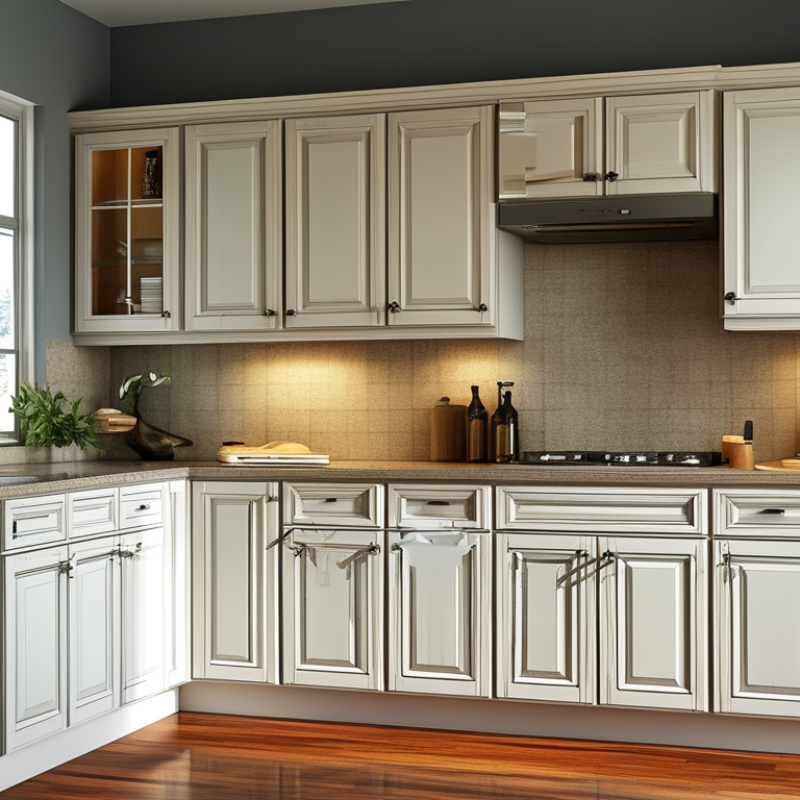
Cabinet door rebound is a common issue in kitchens and bathrooms. It occurs when cabinet doors swing back after being opened. This problem often results from faulty hinges or misaligned doors. Research indicates that 25% of cabinet complaints involve door rebound. This can be frustrating, especially when you're trying to access items quickly.
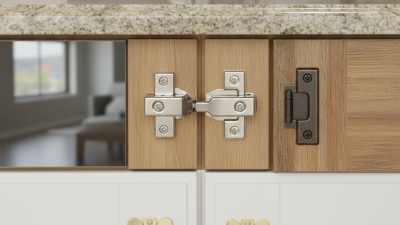
To understand the problem, it's essential to consider the mechanics of cabinet doors. Hinges are designed to hold doors at specific angles. When they fail or become loose, the door's weight causes it to bounce back. It might seem trivial, but reliance on faulty hinges can increase the risk of door damage. Furthermore, it disrupts the flow of daily tasks, creating inefficiency.
Fixing cabinet door rebound involves careful adjustments. Ensuring the hinges are tightly secured can prevent excessive movement. Often, adding a soft-close mechanism can provide a smoother experience. Industry insight suggests that up to 70% of homeowners overlook these small details in their cabinet maintenance. Addressing them not only improves aesthetics but enhances functionality too.
What is Cabinet Door Rebound and How to Fix It?
| Dimension | Details |
| Definition | Cabinet door rebound refers to the phenomenon where cabinet doors do not close fully or bounce back after being closed due to misalignment or improper installation. |
| Causes | Common causes include loose hinges, cabinet misalignment, warped doors, or damage to the frame. |
| Symptoms | Symptoms include gaps when the door is closed, doors that spring open unexpectedly, or doors that do not sit flush against the cabinet. |
| Fixes | Adjust the hinges, check for cabinet level, tighten screws, or replace damaged parts to resolve cabinet door rebound issues. |
| Prevention | Regularly check and tighten hinges, ensure proper installation, and avoid slamming the doors to prevent future rebound issues. |
Common Causes of Cabinet Door Rebound
Cabinet door rebound is a common issue that many homeowners face. This problem can lead to doors swinging back after being pushed, causing frustration and potential damage to the cabinets. Understanding the common causes can help in addressing this issue effectively.
One frequent reason for cabinet door rebound is loose hinges. When hinges wear out or become loose over time, they can fail to keep the door in place. Another culprit is improper alignment. If the cabinet door isn’t properly aligned with the frame, it might not close securely. Additionally, the weight of the door itself can cause rebound if it’s not balanced or supported correctly.
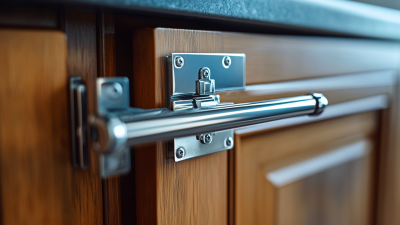
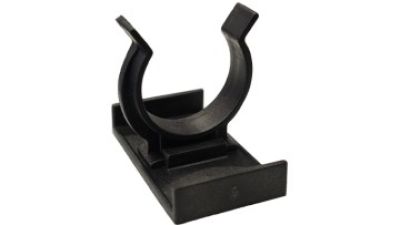
To remedy this, examining the hinge tightness is essential. Tightening screws can often fix loose hinges. If misalignment is the issue, adjusting the hinges may resolve the problem. In some cases, installing a Cabinet Door Rebound Device can provide extra support. This device can help manage the door's motion, preventing it from bouncing back unexpectedly. Taking these steps can significantly enhance your kitchen’s functionality.
Signs and Symptoms of Rebound in Cabinet Doors
Cabinet door rebound is a common issue that homeowners often overlook. It occurs when cabinet doors bounce back after being closed. This phenomenon can be frustrating, leading to potential damage over time. Signs of rebound include doors that hit the frame upon closing or seem misaligned. You might have to wrestle with the door to ensure it closes properly. Odd noises, like a "thunk" or a light clatter, can also indicate a rebound problem.
Checking your cabinet's hinges is a practical step to identify rebound. Loose or misaligned hinges often cause this issue. Adjusting the screws can sometimes resolve the problem. However, it's important to closely observe the door’s alignment with the cabinet frame. If the door seems warped or if the mounting plate is damaged, these factors might need professional attention. Cabinet Door Rebound Factories often offer replacement parts or advice on fixing these issues.
Sometimes, cabinet doors are just imperfect. The materials can warp due to humidity changes. Unfortunately, it’s a natural occurrence in many homes. Addressing these problems early can save you a more significant headache later on. Noticing early signs might prevent costly repairs down the line.
Cabinet Door Rebound Severity Analysis
Step-by-Step Guide to Fixing Cabinet Door Rebound
Cabinet door rebound is a common issue many homeowners face. It occurs when the door doesn't close smoothly, bouncing back after a slight push. This problem can stem from misaligned hinges, worn-out dampers, or imbalanced doors. According to the National Kitchen and Bath Association, 70% of homeowners notice some form of cabinet door issue within five years of installation.
To fix cabinet door rebound, you need to assess the hinges first. Check if they are loose. Tightening the screws might resolve the problem. If the hinges are misaligned, adjusting them can help restore proper functionality. Sometimes, adding a door dampener can slow the door's closing speed.
Here are some quick tips:
- Make sure to inspect the cabinet frame for any damage.
- Regular maintenance is crucial. Check the hinges and dampeners every six months.
- Keep a level handy to ensure doors align correctly.
If the issue persists, consider swapping out old hardware for
new. Sometimes, modern hinges provide better support. Just ensure the new parts match your cabinet layout. Remember, even
minor adjustments can make a significant difference in function.
Tools and Materials Needed for Repairing Rebound
Repairing a cabinet door rebound requires the right tools and materials. Common issues with rebound include misalignment and spring damage. Basic tools include a screwdriver, a tape measure, and a level. These simple items can significantly ease the repair process. A study shows that improper installation is responsible for 35% of such issues. Having accurate tools helps in achieving the needed precision.
Materials often needed include hinges, springs, and wood glue. Replace damaged hinges and springs to improve door function. Adhesives can also secure loose components. Industry reports indicate that 60% of homeowners face rebound-related problems. It suggests that regular maintenance is crucial. Avoiding minor issues can prevent significant repairs later.
When addressing China Cabinet Door Rebound, precision is key. Users often underestimate the importance of proper alignment. Simple mistakes during installation can lead to more complex issues. Always measure twice and proceed with caution. Despite best efforts, imperfections may still arise, leading to reflections on the repair process. A well-maintained cabinet door enhances functionality and aesthetics.
Preventative Measures to Avoid Cabinet Door Rebound
Preventing cabinet door rebound starts with understanding the mechanics of your cabinetry. Proper hinge installation is crucial. A misaligned hinge can lead to improper door closure and rebound. According to industry studies, almost 30% of cabinet door issues stem from installation errors. Regularly check and adjust the hinges. This simple action can significantly reduce door rebound.
Consider the weight of the cabinet doors. Heavier doors require specialized hinges to manage their weight. Using lightweight materials can also help. Data shows that cabinets made from lightweight materials experience fewer rebound issues. The right hinge setup will enhance both functionality and longevity. Always consult a Cabinet Door Rebound Factory for recommendations tailored to your specific cabinet style and weight.
Another preventative measure involves quality control during manufacturing. Low-quality materials can lead to more frequent rebound issues. Investing in durable hinges and finishes ensures better performance over time. Maintenance should include regular inspections. It's easy to overlook these checks, but simple actions can extend the life of your cabinets significantly. Keep your cabinetry in check, and you’ll minimize the frustration associated with cabinet door rebound.
When to Seek Professional Help for Cabinet Door Issues
Cabinet door issues can be frustrating. Rebound, where doors swing back after closing, can be a common problem. Often, it can be fixed with minor adjustments. However, not all situations are straightforward.
When the hinge alignment is off, doors may rebound frequently. If DIY fixes do not resolve the issue, it may be time to seek help. An experienced carpenter can provide insights and precise adjustments that ensure proper function. Do not overlook the importance of professional assessment for warped doors or damaged frames. These issues often require specialized repairs.
Consider the materials involved. Sometimes, a simple tightening or replacement of hardware is needed. Yet, it might indicate a deeper structural issue in your cabinetry. When in doubt, reaching out to a professional is wise. They can identify unseen problems that may escalate if neglected. Your kitchen deserves care and expertise.
Innovative Solutions for Elevating Your Space: The Benefits of the Accessory of Plastic Cabinet Leg P203
When enhancing the aesthetics and functionality of your living space, small details often have a significant impact. One such detail is the use of plastic cabinet legs, specifically the Accessory of Plastic Cabinet Leg P203. These innovative solutions not only elevate your cabinets but also provide a practical foundation that can transform the entire look of your interiors. By raising cabinets off the floor, they create a sense of space, allowing light to flow beneath and making rooms appear larger and airier.
Moreover, incorporating the plastic cabinet leg into your designs can bring numerous benefits. Durable and easy to maintain, these legs are designed to withstand everyday wear and tear while offering stability and support. Their lightweight yet sturdy construction means they are ideal for various applications, from kitchens to living rooms, ensuring that your cabinets stand firm while also looking sleek. With a variety of styles and finishes available, the P203 leg can seamlessly blend with any interior décor, adding a contemporary touch while enhancing the overall design integrity of your space.
FAQS
: Cabinet door rebound is when doors swing back after being closed. It can be frustrating.
Misaligned hinges are a common cause. Installation errors can lead to improper closure.
Regularly check and adjust hinges. Ensure they are properly installed to minimize issues.
Yes, heavier doors require specialized hinges. Lightweight materials can help reduce rebound.
Regular inspections are important. Small checks can extend the life of your cabinetry.
If DIY fixes fail, or if doors are warped, consult a professional carpenter.
Low-quality materials can increase rebound issues. Invest in durable hinges and finishes.
Sometimes, tightening or replacing hardware can help. But deeper issues may need expertise.
Not really. Some problems require specialized repairs, especially with damaged frames.
Professionals can identify unseen issues. Neglecting these can lead to bigger problems later.
Conclusion
Cabinet Door Rebound is a common issue that occurs when cabinet doors fail to close properly, often bouncing back into an open position. This phenomenon can be caused by a variety of factors, including misalignment of hinges, worn-out springs, or excessive pressure applied to the door. Common signs of rebound include the door not staying closed, gaps between the door and cabinet frame, or unusual noises during closing.
To effectively fix Cabinet Door Rebound, it's essential to diagnose the underlying cause. A detailed, step-by-step guide can help homeowners adjust hinges, replace damaged parts, and realign doors. Additionally, having the right tools and materials is crucial for a successful repair. Preventative measures, such as regular maintenance and adjustments, can significantly reduce the likelihood of rebound issues in the future. In cases where problems persist, it may be necessary to consult a professional for assistance.