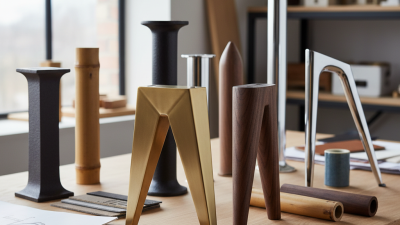
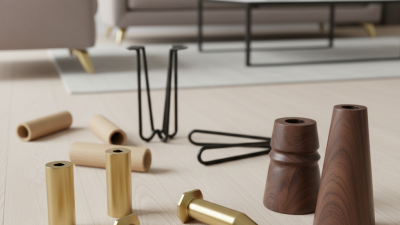
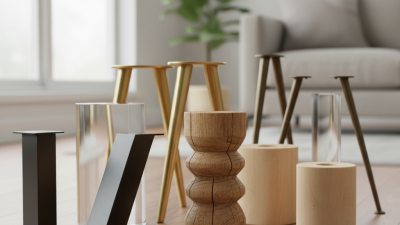
Picking the right furniture legs can really make a difference for your business, you know? I remember John Smith, an industry expert in furniture legs, once said, “The legs are kind of the unsung heroes of furniture design.” It’s so true—these little details not only support the structure but also add to how everything looks overall.
In today’s super competitive market, paying attention to those small things really pays off. Customers can tell when you’ve gone for high-quality metal furniture legs. They want durable stuff that can handle everyday life without falling apart. Spending a bit more on the right legs can actually boost how valuable your product feels, and honestly, that makes it way more appealing to buyers.
That said, it’s easy to forget just how important furniture legs really are. Sometimes, businesses pick styles just because they’re trendy, rather than thinking about how well they’ll hold up or how practical they are. That can lead to returns, unhappy customers, and a headache for you. Keep in mind—your furniture’s foundation is just as important as its looks. Choosing wisely here can set you up for long-term success, no doubt about it.
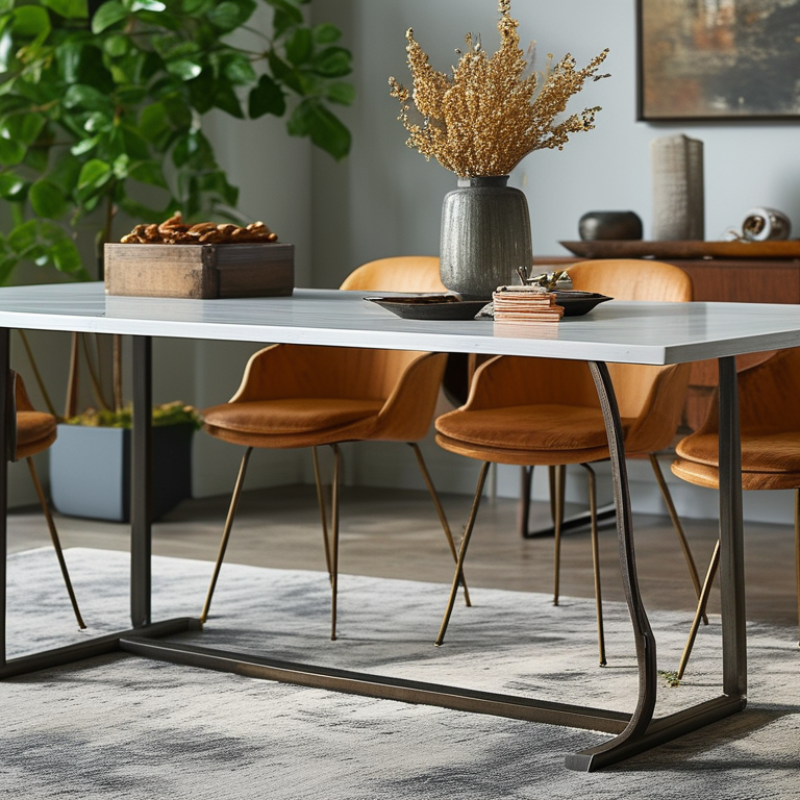
Importance of Furniture Legs in Business Aesthetics and Functionality
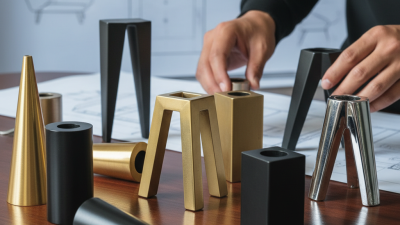
Choosing the right Legs For Furniture can significantly impact your business's overall aesthetics and functionality. The legs of a table or chair are not just supportive; they can enhance the style and appeal of any workspace. For instance, sleek metal legs can add a modern touch, while wooden legs may evoke a warm and inviting atmosphere. Investing in the right furniture legs can create an impression that resonates with clients and employees alike.
Functionality is just as crucial as appearance. Sturdy legs for furniture ensure durability and safety in busy environments. A well-designed leg can offer stability, preventing tipping accidents that might occur with lower-quality alternatives. Reflecting on past choices can reveal that a change in furniture legs might have improved both style and safety, yet not every selection makes the cut. While design trends evolve, functional needs remain constant. Businesses must find a balance, blending aesthetics with practical use to optimize every piece of furniture in their space.
Impact of Furniture Legs on Customer Perception and Experience
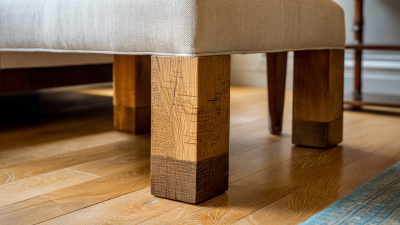
When it comes to furniture, the legs are often overlooked. However, they play a crucial role in shaping customer perception. The right legs can elevate the overall look of your establishment. They contribute to the style and vibe of your space. For instance, sleek metal legs might suggest modernity. In contrast, wooden legs can give a cozy, rustic feel.
Customer experience is also affected by furniture legs. A sturdy leg can ensure stability, enhancing comfort. If customers feel secure, they are likely to stay longer. On the other hand, flimsy legs may lead to discomfort. This could create a negative impression of your business. It’s worth considering an eclectic mix of leg designs to cater to various tastes while maintaining a cohesive theme.
In a recent project, we experimented with different leg styles. Some legs worked well, while others didn’t connect with the desired aesthetic. This unity of form and function is crucial. Consistent leg design can influence how guests perceive quality in your space. Reflect on your current furniture legs. Do they convey the right message?
Material Choices for Furniture Legs and Their Effect on Durability
When it comes to furniture legs, the material can significantly impact durability. Plastic Furniture Legs, for instance, are lightweight and resistant to moisture, making them ideal for various environments. However, they can lack the sturdiness of metal or wood options. This raises questions about their long-term performance.
Choosing the right material involves understanding the working conditions of your furniture. Metal legs offer greater stability but may be prone to rust without proper care. On the other hand, wooden legs bring a timeless aesthetic, yet they are susceptible to scratches and dents. Each choice reflects a balance between appearance and function.
Business owners must assess their specific needs carefully. Evaluate traffic levels in the area where the furniture will be used. Consider how each material can withstand daily wear. Making the right selection isn't just about aesthetics; it's about ensuring your furniture serves its purpose over time.
Sustainability in Furniture Leg Production: Trends and Statistics
In recent years, the furniture industry has seen a significant shift towards sustainability. According to the Sustainable Furnishings Council, a growing number of consumers prefer eco-friendly products. About 75% of buyers express interest in sustainable materials. This trend impacts furniture leg production, pushing manufacturers to adopt greener practices.
Wood remains a popular choice for furniture legs. However, sourcing sustainably is crucial. The Forest Stewardship Council states that only 10% of forests are certified as sustainable. This means many products might not be as eco-friendly as claimed. Additionally, innovations in alternative materials, like recycled metal and plastic, are gaining traction. Studies show that using recycled materials can cut carbon footprints by up to 50%.
Despite these advances, not all manufacturers embrace sustainability. Some companies overlook certification and the environmental impact of their production processes. Transparency in supply chains is vital, but only 30% of consumers feel informed about product sourcing. Businesses must reflect on their practices and strive for better. Without a commitment to sustainability, the long-term viability of the furniture industry is at risk.
How Proper Furniture Legs Can Enhance Workplace Safety and Stability
Choosing the right furniture legs is crucial for any workplace. Proper furniture legs ensure stability and enhance safety. If furniture wobbles or tips, it can lead to accidents. Employees may hesitate to use furniture that feels unsteady. For businesses, this can translate to lost productivity or even injury claims.
Adjustable Furniture Legs offer a flexible solution. They allow for customization based on floor irregularities. An office with varied flooring can greatly benefit from these. When legs can be adjusted, it creates a level surface for desks and tables. This simple adjustment can reduce strain on workers. It also minimizes distractions that come from unstable furniture.
However, some businesses overlook these details. They might choose aesthetics over functionality. While visual appeal is important, safety should come first. Employees deserve to work in an environment where they feel secure. Investing in the right furniture legs is a step towards creating such an environment.
Economical Considerations: Cost-Effectiveness of Quality Furniture Legs
Choosing the right furniture legs is vital for any business. Quality furniture legs ensure durability, stability, and style. When selecting these components, consider how they affect overall costs. Subpar legs might save money initially but could lead to more frequent replacements.
The cost-effectiveness of quality furniture legs can be surprising. Investing in durable legs can reduce long-term expenses. Poor-quality legs may break or bend, requiring costly replacements. Replacement Furniture Legs often become necessary in such scenarios. Opting for higher-quality options from the start minimizes the risk of constant replacements.
Think about the long-term implications. Choosing cost-effective furniture legs reflects your commitment to quality. Customers notice details, including furniture stability. Reliable legs contribute to a positive customer experience. Sometimes, it can be tempting to save upfront, but the hidden costs may outweigh the initial savings. Evaluate your choices carefully.
Case Studies: Success Stories Driven by Strategic Furniture Leg Choices
Choosing the right furniture legs can significantly impact your business's aesthetic and functionality. In the realm of commercial spaces, strategic choices can set the tone for customer experiences. Consider a café that opted for elegant, slender legs on its tables. This choice not only enhanced the visual appeal but also created a perception of openness. Patrons felt invited to linger, leading to increased sales and customer satisfaction.
Another example is a boutique store that used robust, wooden legs for their display tables. This choice conveyed durability and quality, aligning perfectly with their brand identity. Shoppers appreciated the stable, luxurious feel, encouraging them to spend more time exploring the products. The right legs can influence buying behavior, proving their importance in creating appealing environments.
Tip: Always consider the material and height of furniture legs. Metal may offer a modern look, while wood can lend warmth. Test different combinations in your space to find the best fit. Reflecting on past choices can also reveal areas for improvement. What worked? What didn’t? Through these evaluations, businesses can refine their furniture selections for better results.
Enhancing Furniture Functionality: The Advantages of Industrial Silent Hydraulic Hinges for Smooth Operation
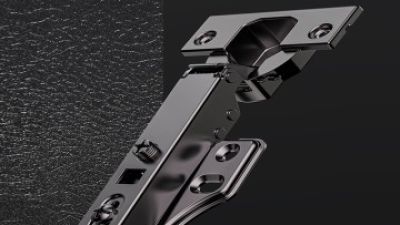
In the realm of furniture design, the integration of functionality and aesthetics is paramount. The use of industrial silent Hydraulic Hinges represents a significant advancement in enhancing furniture usability, particularly in settings where smooth operation is crucial. These hinges are engineered to provide a gentle, resistance-free mechanism that allows doors and lids to open and close seamlessly, mitigating the risk of slamming and wear over time.
One of the standout advantages of industrial silent hydraulic hinges is their ability to minimize noise during operation. This feature is especially beneficial in environments such as offices, libraries, or homes striving for tranquility. The hydraulic system absorbs the force of closing, allowing furniture pieces to operate with a whisper-quiet motion. Additionally, these hinges offer reliability and longevity, making them an excellent choice for high-traffic areas where furniture is frequently used.
Incorporating silent hydraulic hinges also supports an enhanced user experience by allowing for effortless access to storage spaces. This is particularly useful in modern furniture designs that prioritize clean lines and minimalist aesthetics, where traditional hardware might detract from the overall visual appeal. With these hinges, designers can focus on creating innovative and stylish pieces that do not compromise on practicality, thus aligning form with function in today’s furniture solutions.
FAQS
: The material affects durability significantly. Plastic is lightweight and moisture-resistant, but lacks sturdiness compared to metal or wood.
Plastic legs are suitable for various environments, yet they may not hold up over time without proper stability.
Metal legs provide stability, but can rust if not cared for properly. This trade-off must be considered.
Wooden legs offer a classic look, yet they're vulnerable to scratches and dents, impacting their long-term appearance.
Increasing consumer preference for eco-friendly products pushes manufacturers toward sustainable practices, impacting overall industry health.
Look for certifications like those from the Forest Stewardship Council. Only 10% of forests are certified sustainable, so caution is needed.
Yes, using recycled materials can reduce carbon footprints significantly, making it a strong option for eco-conscious consumers.
Some companies prioritize profit over eco-friendly practices. Transparency is lacking, leaving customers uninformed about product sourcing.
They must weigh daily wear and the environment where furniture will be used to ensure functionality and longevity.
Only 30% of consumers feel informed about product sourcing, highlighting the need for better transparency in the industry.
Conclusion
Choosing the right furniture legs is crucial for any business as they play a significant role in both aesthetics and functionality. Well-designed furniture legs can enhance the overall look of a space, directly influencing customer perception and creating a more inviting atmosphere. Additionally, the material choices for furniture legs affect durability, ensuring that furniture can withstand the rigors of daily use while maintaining its appeal.
Sustainability is increasingly important in furniture leg production, with trends highlighting eco-friendly materials and manufacturing practices. Properly designed furniture legs also contribute to workplace safety and stability, reducing the risk of accidents and improving the overall work environment. Economically, investing in high-quality furniture legs can lead to long-term cost savings by minimizing the need for replacements. Case studies illustrate how strategic choices in furniture leg design can drive success, underscoring their importance in the business landscape.