In the fast-changing world of electronics, picking the right components can really make a difference. You know, Board Connectors are pretty much essential for keeping your connections reliable inside your devices. They basically allow different circuit boards to talk to each other smoothly, which boosts overall performance and efficiency. But, honestly, with so many options out there, choosing the right connectors can feel pretty overwhelming.
Every project has its own needs, so the type of Board Connector you need can vary a lot. Things like size, durability, and how well it handles electricity are all super important. Some connectors work great in tight, high-density setups, while others are better for handling high voltage stuff. That wide variety can make it tricky to find the perfect match for what you're trying to do.
And let’s be real—experience helps a lot here. Big names like Molex and TE Connectivity have built trust over the years thanks to their innovative designs and consistent quality. Still, no product is perfect. It’s really important to understand the limitations of different connectors so you can make smarter choices. Doing a bit of research and evaluating options carefully will help you strike that good balance between reliability and cost. After all, your electronics project deserves the best, so take your time exploring what’s out there.
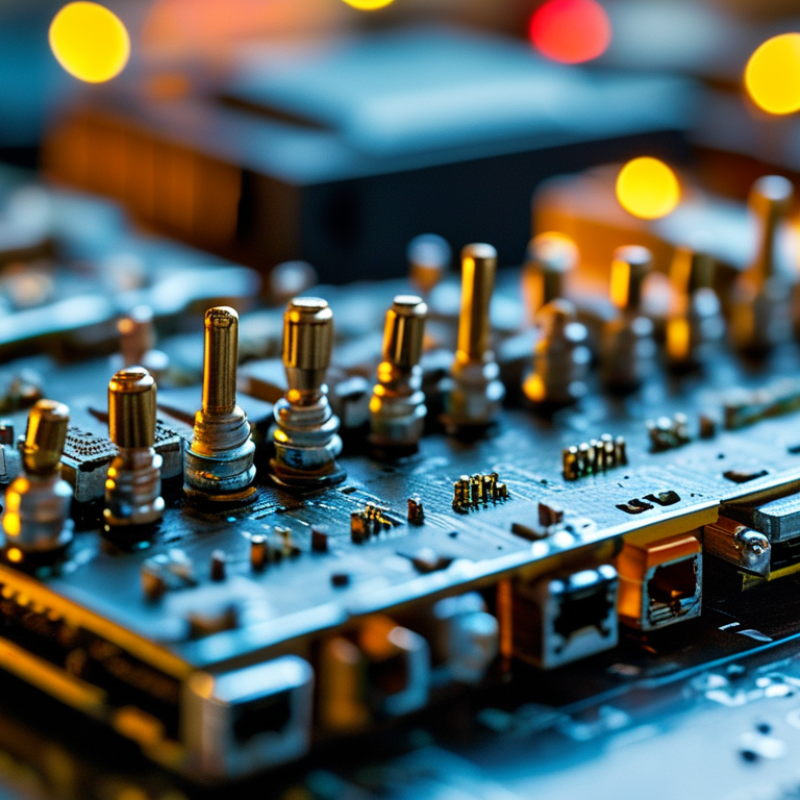
Overview of Board Connectors in Electronics
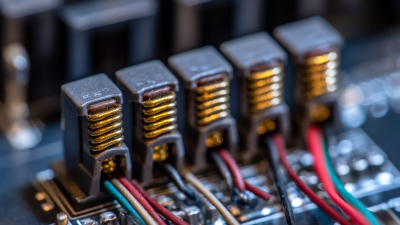
Board Connectors play a vital role in the electronics industry. These connectors ensure seamless communication between various components on a circuit board. According to industry reports, the global board-to-board connector market is expected to grow substantially, with a projected value of over $10 billion by 2025. This growth highlights the increasing demand for reliable and high-performance connectors.
In choosing the right board connectors, professionals must consider factors like pin count, size, and mounting style. The right selection can drastically impact the performance and reliability of electronic devices. Remember, not all connectors are created equal. Some designs may lead to signal degradation, especially in high-frequency applications.
Tips: Always assess the application requirements. A connector with unnecessary features might increase costs. Also, consider the environment in which the connector operates. Conditions such as humidity or vibration can affect connector performance and lifespan. It is essential to think critically about these elements when selecting components. Ultimately, due diligence in research can yield connectors that meet specific operational needs while ensuring long-term functionality.
Types of Board Connectors and Their Applications
Board connectors play a crucial role in electronics. They facilitate the connection between different circuit boards and components. Various types of board connectors are designed for specific applications. Understanding these types can help you select the best option for your needs.
One popular type is the pin header connector. It is straightforward and easy to use. Pin headers are often used in prototyping and are compatible with many standard PCBs. Another type is the socket connector, which allows for easy insertion and removal. These connectors can help reduce wear on boards and provide flexibility in design. Also, there are more complex options like mezzanine connectors, which offer high-density connections for advanced applications.
Choosing the right connector involves considering factors such as size, durability, and ease of use. Each connector has its strengths and weaknesses. If durability is a priority, look for robust designs. For tight spaces, consider compact connectors. Consulting a Board Connectors Factory can provide insights into suitable options. Their expertise can guide you in making informed decisions that meet your electronic requirements. Careful evaluation of connector types enhances overall system performance.
Top Board Connectors for Your Electronics Needs
| Connector Type | Pin Count | Current Rating | Voltage Rating | Common Applications |
| Header Connector | 2-64 | 0.5 - 5A | 50 - 250V | Consumer Electronics |
| PCB Socket | 3-40 | 1 - 10A | 30 - 150V | Computers, IoT Devices |
| DIN Connector | 3-25 | 2 - 10A | 50 - 250V | Audio Equipment |
| USB Connector | 4-24 | 1 - 5A | 5 - 20V | Mobile Devices, PCs |
| FPC Connector | 2-100 | 0.3 - 1A | 20 - 100V | Mobile Phones, Cameras |
Key Features to Consider When Choosing Board Connectors
When selecting board connectors for electronic applications, several key features warrant careful consideration. One important factor is the connector's current-carrying capability. Industry reports indicate that connectors rated for higher currents have become increasingly popular, particularly in automotive and industrial applications. Ensure that the connector can handle your system's requirements without overheating.
Another vital aspect is the physical size and layout of the connector. In compact designs, space is often at a premium. According to a recent market analysis, miniaturized connectors are expected to grow at a compound annual growth rate (CAGR) of 8.5% over the next five years. Choosing the right size not only saves space but also improves performance by reducing signal loss.
Tips: Always assess the environment where the connector will be used. Connectors come with various sealing options to prevent moisture or dust ingress. Connections exposed to harsh conditions require robust sealing features. Additionally, consider the insertion/removal cycles; some connectors wear out faster, leading to reliability issues in demanding applications. Remember, these seemingly minor details can have significant impacts on performance and lifespan. Balancing cost with reliable performance is crucial; sometimes, investing a bit more upfront can save money in maintenance later on.
Installation and Best Practices for Board Connectors
When installing board connectors, precision is vital. Focus on aligning the pins correctly to ensure a stable connection. Misalignment can lead to intermittent failures, which are frustrating. Pay attention to the orientation of each connector. It's easy to overlook, but it can make a significant difference in performance.
Tips: Always double-check the specifications of your board connectors. Compatible connectors help avoid issues down the line. If you are uncertain, refer to the industry standards. Reliable sources can guide you in making informed decisions.
Using proper tools is also essential. A good soldering iron can make the installation process easier. However, it is easy to apply too much heat. This can damage components. Being mindful of the heat applied can improve longevity. Many Board Connectors Manufacturers provide guidelines. Following these can enhance the reliability of your connections.
Top Board Connectors Performance Metrics
Comparative Analysis of Popular Board Connector Brands
When choosing board connectors for your electronics, brand choice can significantly impact performance. Many professionals favor connectors known for their durability and signal integrity. According to a recent market analysis, board connection failures can lead to equipment breakdowns, costing companies millions annually. Ensuring you use High-Quality Board Connectors can mitigate these risks, offering reliability in critical applications.
In a comparative review of popular brands, factors like material quality, temperature resistance, and compatibility emerge as key differentiators. Some connectors claim high-performance ratings under extreme conditions, making them suitable for industrial applications. However, less expensive options may perform adequately at a fraction of the cost. A study indicated that nearly 40% of engineers faced issues with connectors that failed under stress, emphasizing the importance of rigorous testing.
**Tip:** Always check the specifications closely. Look for connectors that meet your specific environmental requirements. Ensure the chosen connectors align with your application needs. Testing samples can provide insights into long-term reliability. Analyzing user reviews and industry feedback can also offer valuable perspectives on performance.
Choosing wisely can save time and resources in the long run, proving that not every high-priced item guarantees quality.
Future Trends in Board Connector Technology
The landscape of board connector technology is rapidly evolving. According to a recent report by Research and Markets, the global board connector market is projected to reach USD 2.85 billion by 2027, growing at a CAGR of 5.1%. This growth reflects an increasing demand for compact, high-performance connectors that can support advanced electronics across various industries.
Future trends in board connectors highlight several key areas, particularly miniaturization and improved data transmission rates. Smaller devices require connectors that occupy less space while maintaining efficiency. Yet, as engineers pursue smaller sizes, some struggle with heat dissipation and reliability. Manufacturers must navigate these complexities. The introduction of advanced materials, such as high-temperature plastics and copper alloys, could address these challenges. However, not all solutions are perfect.
Smart applications are driving high-speed connections. The rise of IoT and AI adds pressure for board connector manufacturers to innovate continuously. Inadequate testing and quality assurance could lead to unreliable connections. As industries become more interconnected, maintaining quality while pursuing speed becomes a delicate balance. Addressing these issues will be critical for any board connector manufacturer aiming for long-term success in this competitive market.
Common Issues and Troubleshooting Tips for Board Connectors
When dealing with board connectors in electronics, common issues often arise. According to industry reports, poor connections can account for up to 30% of hardware failures. It is crucial to address these problems effectively to ensure reliability and performance.
One frequent problem is dirt or debris in the connector. This can lead to intermittent connections or complete failures. Regular maintenance is vital. Clean connectors with suitable solvents. Use compressed air to blow away dust.
Another common issue involves mechanical strain. Connectors can become loose due to stress. This is especially true in mobile devices. Regularly check for secure connections to avoid device malfunctions. Additionally, consider the layout of your design. Proper alignment reduces strain and enhances longevity.
Voltage drop can also be a significant concern. It is critical to check for adequate power delivery. Designers should consider wire gauge and distance when selecting connectors. A mismatch can lead to performance issues.
Understanding and addressing these issues can significantly improve the reliability of electronic devices. Regular testing and preventive measures help catch problems early. This mindful approach is necessary for trouble-free electronics.
Maximizing Structural Integrity: The Role of 19MM Board Support P303 in Modern Construction - Insights from Industry Data Reports
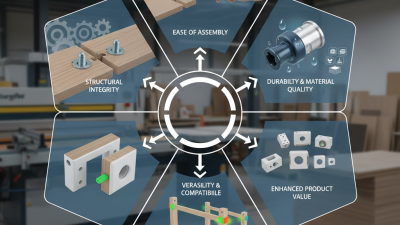
Maximizing structural integrity in modern construction requires an innovative approach to materials and design. Recent industry data highlights the critical role of 19MM board support P303, which has gained recognition for its durability and versatility in various construction applications. According to a report by the Construction Materials Association, projects utilizing high-density board support have shown a 15% increase in structural stability compared to traditional materials, underscoring the importance of selecting the right components for load-bearing frameworks.
Furthermore, as building codes evolve, the demand for materials that not only comply with safety standards but also provide long-lasting performance has skyrocketed. Data from the National Association of Home Builders indicates that structures employing 19MM board support systems have reduced maintenance costs by up to 20%, thanks to their resilience and ability to withstand environmental stresses. This shift not only improves the longevity of constructions but also enhances overall safety, making these systems a top choice for contemporary builders aiming for sustainable practices without compromising on quality.
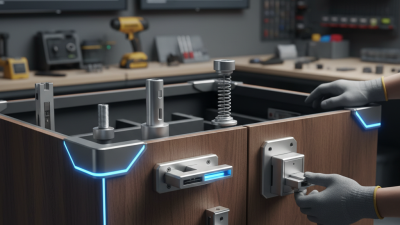
With ongoing advancements in material technology, incorporating 19MM board support P303 not only boosts structural integrity but also aligns with the industry’s focus on efficiency and resource conservation. Reports suggest that projects integrating these advanced Board Supports are increasingly viewed favorably by both clients and regulatory bodies, paving the way for a new standard in construction excellence.
FAQS
: Ensure the connector meets your system's current needs without overheating. Higher-rated connectors are more popular in demanding applications.
Compact designs save space and reduce signal loss. Miniaturized connectors are expected to grow at a significant rate.
Assess the environment carefully. Select connectors with proper sealing to protect against moisture and dust.
Some connectors wear out quickly with frequent insertion and removal. This can lead to reliability issues over time.
Yes, reputable brands often ensure better performance and reliability. However, testing cheaper options can also yield adequate results.
Testing samples helps to determine long-term reliability. User reviews can give insights on connector performance in real scenarios.
Miniaturization and improved data transmission rates are critical trends. Engineers face challenges with heat and reliability in smaller designs.
IoT and AI drive the demand for high-speed connections. Continuous innovation is necessary to meet these pressures.
Yes, balancing cost with performance is essential. Sometimes, investing more upfront can reduce future maintenance expenses.
Conclusion
Board connectors play a crucial role in the functionality and efficiency of electronic devices, serving as the interface for connecting various components on a printed circuit board (PCB). This article provides an overview of different types of board connectors, highlighting their specific applications, from simple wire-to-board connections to complex modular connectors.
When selecting board connectors, several key features must be considered, including the connector's size, pin count, and durability. Furthermore, best practices for installation are essential to ensure reliable connections, while a comparative analysis of popular board connector options helps inform purchasing decisions. As technology evolves, future trends indicate advancements in connectivity solutions, alongside common issues and troubleshooting tips to aid in the maintenance of board connectors, ensuring optimal performance in your electronic projects.