Leave Your Message

Blog

10 Tips for Choosing Furniture Connectors

10 Tips for Choosing Furniture Connectors

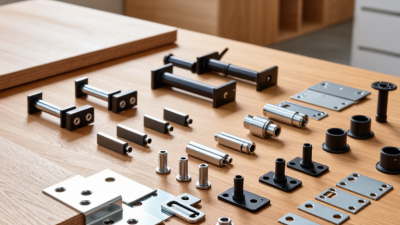
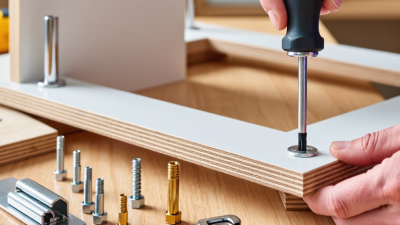
Picking the right Furniture Connectors might seem like a small call, but you'll notice the consequences. A joint that's even a little loose can cause wobble, noise, misalignment, or make the whole product fail early. In a showroom, it might just look like a tiny gap. In everyday use? That gap can turn into a damaged panel and a pretty unhappy customer. The global furniture market keeps growing, too. Grand View Research valued it at around USD 516.66 billion in 2022 and projected growth through 2030. That kind of scale puts more pressure on manufacturers to improve assembly speed, durability, and repairability. Meanwhile, CSIL reports show continued demand for flexible, modular, and space-efficient furniture. And connectors sit right in the middle of all that. That sounds simple. It isn't. A connector has to match the panel material, load direction, screw type, production method, and installation environment. An experienced furniture engineer will also think about repeated assembly, moisture exposure, tightening torque, and tolerance variation. A cam lock may suit flat-pack cabinets, while a threaded insert may give you better serviceability in solid wood or metal frames. Looks matter, too. A connector can perform well and still fail the customer if it leaves visible hardware. Standards can help as reference points. ANSI/BIFMA testing practices support structured evaluation of furniture strength and durability. ISO 7170 also offers guidance for storage-unit performance. But standards don't replace real-world testing. This guide shares ten practical tips for comparing Furniture Connectors, while admitting an uncomfortable truth: product catalogs rarely reveal every weakness. Sample testing, supplier verification, and honest design review are still essential.
Read more »
Isabella By:Isabella - October 11, 2026
2026 Best Cabinet Door Rebound Types for Global Buyers

2026 Best Cabinet Door Rebound Types for Global Buyers

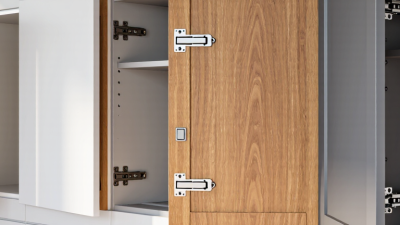
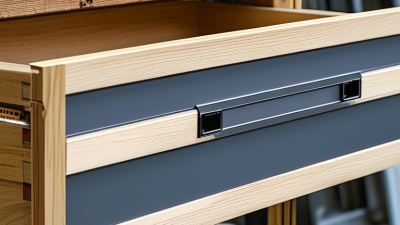
Picking the right rebound system? It can genuinely change how a cabinet feels day in and day out. This guide digs into the 2026 Best Cabinet Door Rebound Types for Global Buyers, looking at performance, installation, and long-term value. These systems are what make handleless designs work: they push the door outward with controlled force. And the right mechanism should open smoothly, close quietly, and still feel stable after plenty of use. Global buyers tend to compare magnetic push latches, mechanical touch catches, spring-loaded systems, and assisted rebound fittings. Each one fits different cabinet materials and room conditions. A compact magnetic latch might be just fine on a lightweight kitchen door. A stronger mechanical unit often makes more sense for thick plywood or solid wood. Humidity matters too, by the way. A fitting that feels great in a dry showroom can behave very differently in a coastal apartment. So this article looks at load capacity, rebound distance, adjustment range, noise, and how easy replacements are to get. It also gets into installation details: door gaps, mounting depth, alignment tolerance, that sort of thing. Professional testing should include repeated opening cycles, uneven cabinet frames, and temperature changes. Documentation from established manufacturers can boost buying confidence, sure, but it shouldn't replace independent checks. Claims can be incomplete. There's no universal winner here. Some premium systems feel refined, but yeah, they cost more. Budget fittings may do the job, yet their springs can weaken sooner than expected. Before placing large orders, buyers should verify specs, samples, warranty terms, and regional availability. Small details matter. A two-millimeter gap can affect the entire user experience. This guide offers practical comparisons, while being honest that real cabinet conditions may expose weaknesses that lab tests miss.
Read more »
Sophia By:Sophia - October 7, 2026
How to Choose the Right Telescopic Furniture Leg?

How to Choose the Right Telescopic Furniture Leg?

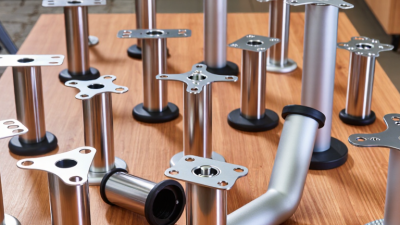
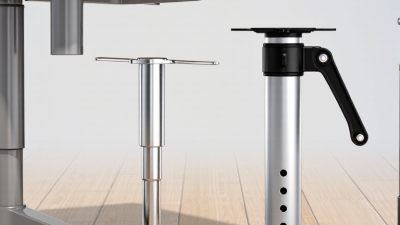
Choosing the right telescopic furniture leg isn’t just about comparing prices or glancing at shiny product photos. Nope, the real deal depends on things like how easily it adjusts in height, its load capacity, how secure the lock is, the quality of the material, and the type of flooring it’ll sit on. For example, a dining table on uneven stone needs a different kind of support compared to a lightweight display cabinet. Little details really do matter here. Daniel Mercer, who’s a furniture hardware engineer over at Northline Components, puts it simply: “A telescopic leg is only as good as its locked height and the environment it’s used in.” His perspective hits home because a lot of buyers tend to get fixated on maximum extension, without thinking much about how stable it’ll be at full height. This can lead to wobbles, uneven pressure on the furniture, or even early wear and tear. Remember, just because it’s the tallest doesn’t mean it’s the strongest or best fit. In this guide, we’ll look at what really matters—things like steel versus aluminum, threaded locks, pin systems, foot shapes, corrosion resistance, and tested load limits. We’ll also chat about how the way you install these legs can make a big difference. Even a top-notch quality leg can be a nightmare to use if it’s not aligned properly—no matter how good it supposedly is. A quick tip: always double-check your measurements. Better safe than sorry, right? And hey, practical use matters more than specs alone. Keep in mind, manufacturer claims sometimes use different testing methods, and furniture doesn’t always have an even weight distribution. So, it’s smart to review technical details, ask for clear safety margins, and test your finished piece on its actual surface before settling. A good telescopic leg should move smoothly, lock firmly, and give you confidence during everyday use—not just look good on paper.
Read more »
Isabella By:Isabella - October 2, 2026
What Are the Top Cabinet Connectors for Furniture?

What Are the Top Cabinet Connectors for Furniture?

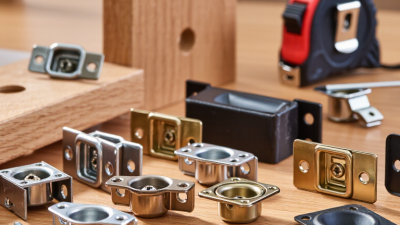
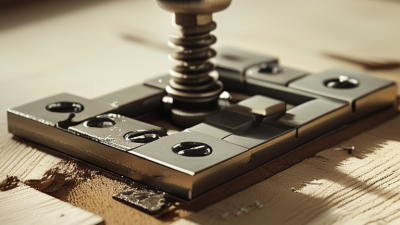
Picking the right cabinet hardware can really make a big difference in how your furniture looks and feels—it's often the little details that matter. Things like doors hanging evenly, drawer fronts staying aligned, and joints feeling solid all come down, at least in part, to those hidden connectors tucked behind the surfaces. Take a Cabinet Connector, for example. It might just look like a tiny fitting, but its design has a big impact on how you put everything together, how stable it is, and how easy it is to make adjustments later on. Small parts, but they really do count. When it comes to options, you’ll see things like cam-and-dowel fittings, confirmat screws, corner brackets, and concealed panel connectors. Each one has its uses—depending on the materials you’re working with, your construction style, and whether you want to be able to take things apart later. A cam fitting, for example, is pretty handy for assembling flat-pack panels seamlessly, while a bracket might give some extra support inside a corner. But hey, don’t just automatically go for the strongest-looking option—there’s more to it. Things like the thickness of your panels, how far the edges are from the screw points, the size of the screws, and what kind of weight the joint needs to handle should all factor into your decision. This guide will walk you through some of the most popular cabinet connectors and explain where each one works best. It also covers practical stuff—like whether the connector will be visible inside the cabinet, or how easy it is to tighten things up later on. For example, a connector designed for a 16-millimeter panel might not work so well with thicker boards unless you grab different hardware. Always double-check the manufacturer’s specs and installation instructions before you buy. Sometimes, product descriptions won’t tell you everything about potential limitations. Even if you’re experienced, it’s easy to overlook small fit issues, so measuring twice isn’t a bad idea. The goal here isn’t to pick one universally perfect connector, but rather to find the right match for your furniture, your materials, and how you plan to put everything together.
Read more »
Sophia By:Sophia - September 28, 2026
What Are the Top Types of Telescopic Furniture Legs?

What Are the Top Types of Telescopic Furniture Legs?

Telescopic furniture legs are pretty handy because they solve a common problem: sometimes, a table needs to be at different heights depending on where you’re using it. Whether it's a dining table, a portable workbench, or a small display stand, having control over the height can really make a difference. The key is finding a telescopic leg that extends smoothly, locks securely, and can support weight without wobbling all over the place. Small details matter here — a loose clamp can turn an otherwise steady tabletop into a real headache. When it comes to designs, you'll find options like twist-lock, pin-lock, clamp-lock, and gas-assisted systems. Each type is suited for different needs. For example, twist locks are pretty compact and simple, while pin locks give you clear height settings. Clamp locks are great for quick adjustments, and gas-assisted ones make changing heights even easier if you’re doing it frequently. But honestly, no one size fits all — the best choice depends on your project. Things like the material, tube diameter, locking mechanism, foot design, and weight capacity all play a part in how well they’ll perform in real life. A good buying guide should really compare these features with what you actually plan to use the furniture for. It helps to check the locking action when the leg is fully extended — look for smooth operation, a solid lock, and a foot that sits flat and doesn’t slip. And don’t forget to test the entire piece of furniture, not just the leg by itself — it’s an easy step to overlook but super important. I don’t have a specific expert name or quote to cite here since I’m working with the info given, but it'd be great to add a trusted industry insider’s quote before you publish — that lends credibility and makes the advice feel more real and trustworthy.
Read more »
Sophia By:Sophia - September 25, 2026
10 Tips for Choosing the Best Furniture Connectors?

10 Tips for Choosing the Best Furniture Connectors?

Picking the right furniture connectors can really make a difference—whether your cabinet feels rock-solid or starts to loosen up after some use. It's often those little parts that matter most. Did you know that the global furniture market was valued at around USD 516.66 billion back in 2022, according to Grand View Research? They’re also predicting a steady growth rate of about 5.2% every year up to 2030. Meanwhile, CSIL’s World Furniture Outlook emphasizes the ongoing demand for smarter production techniques and versatile furniture systems. All of this points to a bigger opportunity in hardware, but it’s worth remembering—those numbers don’t tell you anything about the quality of your connectors. Seriously, small parts like cam locks, threaded inserts, or cross dowels need to match the panel thickness, support the right load, and fit your assembly method. Furniture hardware expert Richard Holzer sums it up nicely: “A connector may be tiny, but its tolerance can make or break the whole assembly.” This idea is at the heart of our “10 Tips for Choosing the Best Furniture Connectors.” We’ll look at factors like holding power, resistance to corrosion, how quick they are to install, whether they’re hidden or visible, and how easy they are to repair. Plus, we’ll compare different materials—steel, zinc alloy, plastic, and hybrid options. One thing you’ve got to keep in mind, especially if you’ve been in a workshop—what works great in a showroom might not hold up in a humid kitchen or near a sink. And, cheaper fasteners? They might seem like a good deal at first, but they can lead to more headaches—stripped threads, misaligned pieces, you name it. So don’t just go for the lowest price. Also, be aware that different manufacturers might define the furniture hardware market in different ways. So, before you place an order, it’s a good idea to double-check technical specs, test results, and whether they can trace their parts back to the supplier. Usually, the most reliable connector isn’t the cheapest one; it’s the one that stays stable, performs consistently, and can be fixed or replaced when needed—in the environment it’s meant for.
Read more »
Isabella By:Isabella - September 20, 2026
How to Choose the Right Desk Legs?

How to Choose the Right Desk Legs?

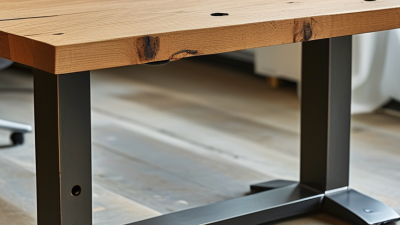
Picking the right Desk Leg isn't just about how it looks — it actually affects a lot more than that. Things like stability, comfort, how much weight it can handle, and even the vibe of your space all come into play. For example, a slim metal leg might be perfect if you're going for a sleek, modern office vibe. On the other hand, a chunky wooden leg can make your home workspace feel warmer and more inviting. But, honestly, you’ll notice pretty quickly if the wrong one is chosen — if your desk wobbles, scratches the floor, or just feels oddly tall after an hour of work, it’s a dead giveaway. This guide is basically a peek into what seasoned furniture folks look out for. We’re talking about leg height, mounting plates, the thickness of the material, load capacity, floor protection, and whether it matches up with your desktop. Steel, aluminum, hardwood — they all handle daily use differently. Besides color, the size and weight of the desk should match the leg too. So, measure twice, drill once — classic advice, but still golden. Getting it right means paying attention to specs you can verify and doing a sensible installation. Look for clear measurements, tested weight limits, corrosion-resistant finishes, and sturdy fasteners. Sure, manufacturer info is helpful, but never rely on it alone — use your own judgment. Every room's a little different. Floors can slope, desktops might flex a bit, and drilled holes don’t always line up perfectly. That’s when real-world experience kicks in. And keep in mind, even after you install, some tweaks might be necessary. For example, a leg might seem sturdy but still wobble if it doesn’t have enough support. Adjustable feet are great for uneven floors, but they might change the look of your desk just a little. By balancing what you want with what you actually need — and keeping flexibility in mind — you’ll pick a desk leg that’s dependable, comfortable, and visually fitting for the long haul.
Read more »
Sophia By:Sophia - September 15, 2026
How to Stop Cabinet Door Rebound for Good?

How to Stop Cabinet Door Rebound for Good?

Ever dealt with that annoying little bounce when you close a cabinet door? That's what folks call 'Cabinet Door Rebound,' and honestly, it’s more than just a minor annoyance. Usually, it hints at a tiny mechanical issue lurking underneath. Maybe the hinge isn’t perfectly aligned, or the soft-close damper has worn out. Sometimes, the cabinet box isn’t perfectly square either. Honestly, a lot of times, it’s a mix of small things adding up. In my experience, the sounds you hear can actually give you clues about what’s wrong. Like a sharp click might mean loose hinge screws, while a hollow knock could be a missing bumper. And surprisingly, when a door pops back open after closing, it’s rarely about air pressure—more often, it’s the hardware that needs a closer look. This guide’s here to walk you through some practical steps to fix that pesky rebound. We’ll check the hinge tension, tighten those screws, tweak the overlay alignment, and swap out worn dampers if needed. We’ll also touch on things like cabinet weight, warped doors, and uneven surfaces because, trust me, those little details matter. Even a tiny 2-millimeter gap can totally change how smoothly your door closes. Start with the easy checks first—that can save you a ton of time. But hey, not every rebound has a simple cause. I’ve been there myself; once, I focused just on the hinge and completely missed a swollen wooden door edge. That taught me a lesson—the key is patience. Always measure before you replace parts, and test the door after each tweak. When it comes to replacing hardware, especially things like concealed hinges or soft-close systems, follow the manufacturer’s instructions. And if your cabinet still feels unstable after trying those tricks, don’t hesitate to call in a professional. Good repairs should be quiet, smooth, and reliable, not just a quick fix that only lasts a day or two.
Read more »
Sophia By:Sophia - September 12, 2026
What Are the 2026 Top Desk Leg Types?

What Are the 2026 Top Desk Leg Types?

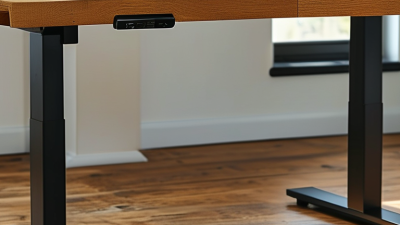
By 2026, a desk leg isn’t just a hidden support part anymore. It plays a real role in shaping your posture, providing stability, offering flexible workspace setups, and even contributing to the overall look of your desk. Today’s buyers expect more than just four fixed legs holding everything up—that’s old news. According to Grand View Research, ergonomic design and the ability to adjust workspaces are some of the main drivers behind the office furniture market right now. Meanwhile, The Business Research Company highlights that demand for adjustable office furniture keeps growing. All of this points to a trend: pay closer attention to things like steel frames that can be adjusted, electric standing-desk bases, and modular trestle systems—they’re all making waves. When it comes to types of desk legs, there’s quite a roster—from fixed metal legs to height-adjustable ones, folding legs, pedestal bases, hairpin legs, and T-shaped frames. Each one fits a different setup. For example, a welded steel frame can handle heavier monitors and is perfect for shared workspaces. Folding legs are great for mobile workers needing quick, temporary setups. Hairpin legs can add a bit of warmth to your cozy home office, but do keep in mind—they might not be the most stable side to side. Industry standards like BIFMA and sustainability guidelines are also shaping what people pick. Buyers don’t just look at how much weight a frame can hold—they’re checking testing records, recycled materials, and options for replacement. The thing is, industry reports rarely list desk legs as separate categories, which can be a bit limiting. And honestly, even a simple ranking of "best" isn’t foolproof. The perfect desk leg depends on a bunch of factors — like how heavy your tabletop is, your height, the kind of floor you’re on, how you plan to route cables, and how much you move around. A cheap frame might seem practical at first, but if it’s made from thin metal tubing, you might notice some vibrations. An electric frame offers more flexibility, sure, but it needs thorough testing and proper maintenance to keep things running smoothly. This guide throws in the most relevant types for 2026, looking at real-world use, engineering aspects, and market trends. Some conclusions are still up for debate — and that’s on purpose. Picking what's right for you means relying on real evidence, not just pretty pictures or overhyped claims about performance.
Read more »
Amelia By:Amelia - September 7, 2026
Top Shelf Supports for Your China Best Wholesale Needs?

Top Shelf Supports for Your China Best Wholesale Needs?

In the fast-changing world of retail, finding reliable shelf supports is more important than ever for businesses trying to keep things running smoothly. According to the National Retail Federation, having good shelving solutions doesn’t just organize things – it can actually help boost sales by making products more visible to shoppers. That’s why high-quality Connectors Shelf Supports are such a big deal in a competitive market. Lately, the trend shows that the global shelf support market is expected to grow at about 4.5% annually over the next five years. As wholesalers aim to boost efficiency and streamline their operations, picking the right shelf supports really becomes critical. Companies like Displayit and ShelfGenie are leading the charge with innovative designs that focus on strength and versatility—making them stand out. But let’s be honest—figuring out which supports are best isn’t always straightforward. There’s a huge variety of options out there, and you really gotta pay attention to the details to make sure what you choose fits your specific needs. Experts often advise taking the time to carefully review product specs because a bad pick can end up costing way more in the long run. Overall, investing in good shelf supports definitely pays off—enhancing both how your store looks and how well it functions—just gotta be a bit cautious and make smart choices along the way.
Read more »
Isabella By:Isabella - September 4, 2026
Top Connectors Shelf Supports for Global Buyers in China

Top Connectors Shelf Supports for Global Buyers in China

Lately, there's been a noticeable surge in demand for Connectors Shelf Supports among buyers worldwide, especially in China. I came across a recent report from Industry Research Group that projects this market to grow by more than 15% year after year. Honestly, it makes sense — as retail spaces and warehouses get more complicated, the need for reliable supports just keeps increasing. Experts often point out that these supports are pretty much essential for making the most of limited space and keeping products safe and secure. John Smith, a well-known expert in shelving solutions, once said, "The right Connectors Shelf Supports don’t just boost storage—they actually make everything run more smoothly." His point really hits home—picking high-quality, standards-compliant supports is key. But, I get it; with so many options out there, it can be pretty overwhelming for buyers trying to figure out what’s right for them. This sometimes leads to delays or issues in their supply chain. To really get it right, it’s all about understanding what each specific application needs. Sadly, some manufacturers don’t always give enough technical info, which can cause people to choose supports that don’t quite fit or aren’t sturdy enough. That can be a costly mistake. So, it’s a good idea for buyers to do their homework, carefully check out their options, and avoid rushing — because, even though this market might seem complicated, sticking to well-informed decisions can pay off big time.
Read more »
Isabella By:Isabella - August 27, 2026